
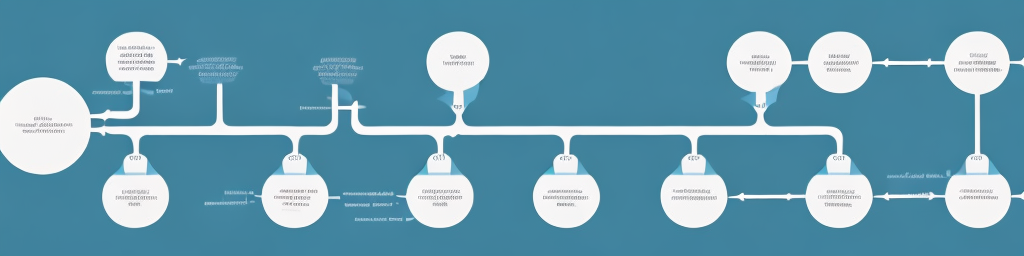
Understanding the Accounting Cycle is essential for efficient financial recordkeeping and analysis. The Accounting Cycle refers to the process followed by businesses to collect, analyze, and report financial information. Comprising several sequential steps, this cycle serves as a framework for accurate and comprehensive recordkeeping. Throughout this article, we will explore the various stages of the Accounting Cycle and shed light on the critical initial steps. These initial steps set the foundation for accurate financial reporting and decision-making within an organization.
Understanding the Accounting Cycle
The Accounting Cycle encompasses a series of activities that commence with the identification of transactions and conclude with closing the books. It provides a systematic framework for recording, classifying, summarizing, and interpreting financial data. By following this cycle, businesses are able to ensure the accuracy and integrity of their financial records. Moreover, the Accounting Cycle serves as a platform for generating key financial statements, such as the income statement, balance sheet, and cash flow statement.
As businesses engage in various transactions, the first step of the Accounting Cycle involves identifying and documenting these financial events. This includes recording the date, description, and amount of each transaction. For example, a retail store may record the sale of merchandise, noting the date of the sale, the items sold, and the corresponding revenue generated.
Once the transactions are identified, the next phase of the Accounting Cycle involves recording them in the appropriate accounts. This process is known as journalizing. Each transaction is recorded in a journal, which serves as a chronological record of all financial events. The journal entries include debits and credits, ensuring that the accounting equation (Assets = Liabilities + Equity) remains in balance.
After journalizing the transactions, the next step in the Accounting Cycle is to post the journal entries to the general ledger. The general ledger is a collection of all the accounts used by a business. Each account has a separate page or section in the ledger, where the journal entries related to that account are posted. This allows businesses to track the balances and activity of each account.
Once the transactions have been recorded in the general ledger, the next phase of the Accounting Cycle involves preparing an unadjusted trial balance. This trial balance lists all the accounts and their respective balances before any adjustments are made. It serves as a preliminary check to ensure that the debits and credits are still in balance.
After the unadjusted trial balance is prepared, the next step is to make any necessary adjustments. These adjustments are made to ensure that the financial statements reflect the correct financial position and results of operations. Examples of adjustments include recording accrued expenses or revenue, depreciation of assets, and allowance for doubtful accounts.
Once the adjustments have been made, the next phase of the Accounting Cycle involves preparing an adjusted trial balance. This trial balance reflects the effects of the adjustments and ensures that the debits and credits are still in balance. It serves as the basis for preparing the financial statements.
With the adjusted trial balance in hand, businesses can now proceed to prepare the financial statements. The income statement shows the revenues, expenses, and net income or loss for a specific period. The balance sheet presents the assets, liabilities, and equity of a business at a specific point in time. The cash flow statement provides information about the cash inflows and outflows during a given period.
Finally, after the financial statements have been prepared, the last step of the Accounting Cycle involves closing the books. This process involves transferring the balances of temporary accounts, such as revenue and expense accounts, to the retained earnings account. By doing so, businesses start the next accounting period with zero balances in these temporary accounts.
Definition of the Accounting Cycle
The Accounting Cycle refers to the step-by-step process that businesses employ to process financial information. It begins with the identification and recording of transactions and proceeds through a series of phases, culminating in the preparation of financial statements. The cycle typically spans a fiscal period, such as a month, quarter, or year. Employing this cycle enables businesses to maintain accurate and compliant financial records, monitor financial performance, and make informed decisions based on reliable information.
Throughout the Accounting Cycle, businesses adhere to generally accepted accounting principles (GAAP) to ensure consistency and comparability in financial reporting. These principles provide a framework for recording and presenting financial information in a meaningful and standardized manner.
Importance of the Accounting Cycle
The Accounting Cycle plays a pivotal role in ensuring the accuracy and integrity of financial data. By adhering to the process, businesses can minimize errors, detect and correct inaccuracies, and provide a clear audit trail. Additionally, the Accounting Cycle facilitates effective decision-making by providing timely and reliable financial information. It enables businesses to assess their financial performance, identify trends, and make informed strategic choices to enhance profitability and sustainability.
Furthermore, the Accounting Cycle is essential for regulatory compliance. By following the prescribed steps, businesses can ensure that their financial statements are prepared in accordance with applicable accounting standards and regulations. This not only enhances transparency but also instills confidence in stakeholders, such as investors, creditors, and regulatory authorities.
In conclusion, the Accounting Cycle serves as a comprehensive framework for businesses to process financial information. From identifying transactions to closing the books, each step in the cycle contributes to the accuracy, reliability, and compliance of financial records. By understanding and implementing the Accounting Cycle, businesses can effectively manage their finances, make informed decisions, and demonstrate their financial health to stakeholders.
The Steps in the Accounting Cycle
The Accounting Cycle comprises several important steps that together form a cohesive framework for financial recordkeeping. Each step is crucial and builds upon the preceding one. Let us delve into the various stages of the Accounting Cycle.
Identifying Transactions
The first step in the Accounting Cycle involves identifying and documenting all financial transactions that occur within the organization. Transactions may include sales, purchases, expenses, investments, loans, and more. Thoroughly capturing and understanding each transaction is vital to ensure accurate financial reporting. Employing robust systems and procedures to identify and record transactions can help businesses maintain integrity and reliability in their financial records.
Recording Journal Entries
Once transactions are identified, the next step involves recording journal entries. Journal entries provide a chronological log of each transaction, detailing the accounts affected and the corresponding monetary value. This step requires careful attention to detail and adherence to accounting principles and standards. Accurate journal entries facilitate subsequent steps and serve as the foundation for financial statements.
Posting Ledger Entries
After recording journal entries, the next stage involves posting these entries to the general ledger. The general ledger contains individual accounts that reflect the financial activity of the organization. Posting journal entries to the ledger ensures that the impact of each transaction is accurately reflected in the relevant accounts. Maintaining an organized and up-to-date ledger enables businesses to generate trial balances, financial statements, and perform comprehensive financial analysis.
The First Step: Transaction Identification
Transaction identification serves as the crucial bedrock upon which the entire Accounting Cycle is built. Accurately capturing and understanding each transaction facilitates the subsequent steps, ensuring reliable financial reporting and analysis.
Role of Transaction Identification in Accounting
Transaction identification is vital because it enables businesses to recognize and record all financial events within the organization. Precise transaction identification helps businesses maintain accurate financial statements, comply with regulatory requirements, and monitor the financial health of the organization. By properly identifying transactions, businesses can ensure that all financial activity is captured, preventing unauthorized or fraudulent activity.
Process of Transaction Identification
The process of transaction identification involves an organization’s accounting team diligently reviewing all relevant documents, such as invoices, receipts, bank statements, purchase orders, and sales records. It requires a meticulous examination of each financial event to determine its nature, amount, and impact on the organization. By implementing effective procedures and leveraging technology, businesses can streamline the transaction identification process, reducing the risk of errors and ensuring accurate financial reporting.
Subsequent Steps in the Accounting Cycle
Once transactions are identified, recorded, and posted to the ledger, the Accounting Cycle progresses to subsequent vital steps.
From Journal Entries to Trial Balance
After posting journal entries to the ledger, businesses prepare a trial balance. A trial balance is a summary of all ledger accounts, including their respective debit and credit balances. It serves as a preliminary check to ensure that the fundamental accounting equation of assets equaling liabilities plus equity holds true. Detecting any discrepancies allows organizations to rectify errors and ensure accurate financial reporting.
Adjusting Entries and Financial Statements
In this phase, businesses make adjusting entries to account for accruals, deferrals, and other necessary adjustments. Adjusting entries ensure that financial statements accurately represent the financial position and performance of the organization. These entries account for items such as revenue earned but not yet recognized and expenses incurred but not yet paid. By preparing accurate financial statements, businesses can facilitate informed decision-making and provide transparency to stakeholders.
Closing the Books
The final step in the Accounting Cycle involves closing the books. Closing entries are made to transfer the balances from temporary accounts, such as revenue and expense accounts, to the permanent equity accounts. By closing temporary accounts at the end of the fiscal period, businesses can start the next period with a clean slate. Closing the books ensures the accurate computation of net income or loss and prepares the organization for a new fiscal period.
Common Mistakes in the Accounting Cycle
While the Accounting Cycle provides a robust framework for financial recordkeeping, there are several common pitfalls that businesses should avoid. Recognizing these pitfalls can help organizations maintain the accuracy and integrity of their financial data.
Errors in Transaction Identification
One of the most significant mistakes in the Accounting Cycle is errors in transaction identification. Failing to properly identify and record all financial events can lead to incomplete or inaccurate financial records. This can result in misleading financial statements and may hinder effective decision-making. Implementing robust procedures for transaction identification and regular reconciliation of accounts can help prevent such errors.
Missteps in Journal and Ledger Entries
Another common mistake in the Accounting Cycle is errors in journal and ledger entries. Inaccurate or incomplete recording of transactions can lead to incorrect financial statements and inaccurate reporting. Auditing journal entries and reconciling the ledger on a regular basis can help detect any errors or omissions before they impact the accuracy of financial records.
By diligently adhering to the steps of the Accounting Cycle and ensuring accuracy throughout each stage, businesses can maintain reliable financial records, facilitate informed decision-making, and foster long-term success.