
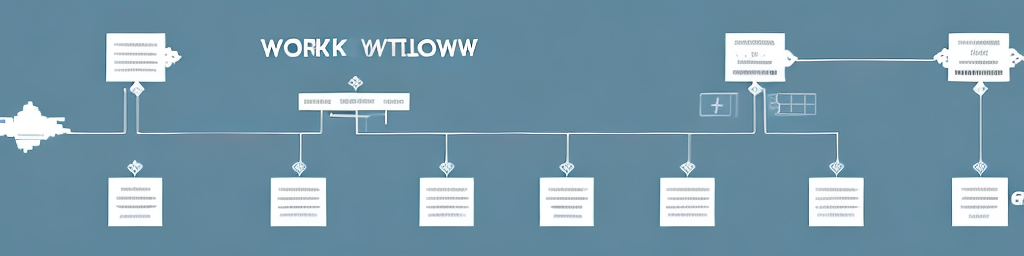
In project management, a work breakdown structure (WBS) is a fundamental tool that helps organize and define the scope of a project. It breaks down the project into smaller, more manageable components, making it easier to plan, execute, and monitor progress. By creating a WBS template specifically tailored to your project, you can streamline the planning process and ensure that all tasks and deliverables are accounted for.
Understanding the Basics of a Work Breakdown Structure
A work breakdown structure is a hierarchical representation of the project’s tasks, deliverables, and sub-deliverables. It provides a clear and structured breakdown of the work involved, allowing project teams to identify dependencies and allocate resources efficiently.
When creating a work breakdown structure, it is important to understand its fundamental purpose. At its core, a work breakdown structure lays out the project’s scope and deliverables in a logical and hierarchical manner. It breaks down the project into smaller, more manageable components, which are then divided into tasks and sub-tasks.
Defining Work Breakdown Structure
A work breakdown structure acts as a roadmap for the project, guiding the team through the various stages and tasks required for successful completion. By breaking down the project into smaller components, it becomes easier to understand the scope of work and the relationships between different tasks.
Each level of the work breakdown structure provides a more detailed breakdown of the project. Starting with the highest level, the structure gradually drills down into specific tasks and sub-tasks, ensuring that no aspect of the project is overlooked. This hierarchical representation allows project managers and team members to have a clear understanding of the project’s requirements and the interdependencies between different elements.
Importance of a Work Breakdown Structure in Project Management
Creating a comprehensive work breakdown structure is crucial in project management for several reasons:
- Clarity: It provides a clear overview of what needs to be done, reducing confusion and ensuring that all project participants understand their roles and responsibilities. With a well-defined structure in place, everyone involved in the project can easily grasp the big picture and their individual contributions.
- Efficiency: By breaking down the work into smaller components, the project team can identify dependencies and allocate resources more efficiently, leading to improved productivity. This allows for better planning and resource management, ensuring that tasks are completed in a timely manner and that the project stays on track.
- Accountability: Each task in the work breakdown structure is assigned to a responsible party, promoting accountability and ensuring that all work is completed on time. By clearly defining roles and responsibilities, the structure helps prevent tasks from falling through the cracks and holds team members accountable for their assigned tasks.
- Control: A work breakdown structure allows project managers to effectively monitor and control progress by tracking the status of individual tasks and deliverables. It helps identify potential bottlenecks and allows for timely intervention. With a well-structured breakdown of the project, project managers can easily identify areas that require attention and take corrective actions as needed.
Overall, a work breakdown structure serves as a valuable tool in project management, providing a systematic approach to planning, executing, and controlling projects. It enhances communication, facilitates collaboration, and ensures that projects are completed successfully, meeting the desired objectives and delivering value to stakeholders.
Key Elements of a Work Breakdown Structure Template
When creating a WBS template, there are specific elements that must be considered:
Identifying the Major Deliverables
The first step in creating a work breakdown structure is to identify the major deliverables of the project. These are the end products or outcomes that the project aims to achieve. By clearly defining the major deliverables, the project team can then break them down further into smaller components.
For example, let’s say you are working on a software development project. The major deliverables could include the development of a user interface, a database system, and a reporting module. These deliverables represent the key functionalities that the software will provide to the end-users.
Identifying the major deliverables is crucial as it sets the foundation for the entire project. It helps the project team understand the scope of work and ensures that all necessary components are accounted for in the work breakdown structure.
Breaking Down the Work into Manageable Tasks
Once the major deliverables are identified, the next step is to break down the work into manageable tasks. Each task should be specific, measurable, attainable, relevant, and time-bound (SMART). By breaking the work down into smaller tasks, it becomes easier to estimate resources, durations, and dependencies for each task.
Continuing with the software development project example, breaking down the work could involve tasks such as designing the user interface, creating the database schema, implementing data validation rules, and writing test cases. These tasks represent the specific actions required to complete each major deliverable.
Breaking down the work into manageable tasks allows for better planning and execution. It enables the project team to allocate resources effectively, set realistic deadlines, and track progress more accurately. It also helps in identifying any potential bottlenecks or dependencies that may impact the overall project timeline.
Assigning Responsibility for Each Task
Assigning responsibilities to individuals or teams is a critical aspect of the work breakdown structure. Each task should have a clearly defined owner who is responsible for its completion. This fosters accountability and ensures that work progresses smoothly without any ambiguity.
For instance, in the software development project, assigning responsibilities could involve assigning the user interface design task to a graphic designer, the database schema creation task to a database administrator, and the test case writing task to a quality assurance engineer. By assigning specific responsibilities, everyone involved in the project knows exactly what is expected of them and can focus on their assigned tasks.
Assigning responsibility also helps in managing workload distribution and avoiding duplication of efforts. It ensures that each task is completed by the most suitable person or team, considering their skills and expertise. This ultimately contributes to the overall success of the project.
Steps to Create a Work Breakdown Structure Template
Initiating the Process
The first step in creating a WBS template is to gather all the relevant project documentation, including the project charter, scope statement, and any other relevant inputs. These documents provide insights into the project’s objectives, scope, and constraints, which are essential in defining the work breakdown structure.
During this phase, it is crucial to engage with key stakeholders to ensure a comprehensive understanding of the project’s requirements. By involving stakeholders from the beginning, you can gather valuable insights and perspectives that will contribute to the accuracy and effectiveness of the work breakdown structure.
Additionally, it is important to conduct thorough research and analysis to identify any potential risks or challenges that may impact the project. By proactively addressing these factors during the initiation phase, you can mitigate potential issues and ensure a smoother execution of the work breakdown structure.
Defining the Scope of the Project
With the project documentation in hand, the next step is to clearly define the scope of the project. This involves identifying the project’s objectives, deliverables, and any specific requirements or constraints that need to be considered. The scope definition helps ensure that the work breakdown structure is aligned with the project’s goals.
During this phase, it is essential to engage with the project team and stakeholders to gather their input and perspectives on the project’s scope. By involving all relevant parties, you can ensure that the work breakdown structure accurately reflects the collective understanding of the project’s boundaries and objectives.
Furthermore, it is crucial to conduct a thorough analysis of the project’s dependencies and interrelationships. By identifying these dependencies, you can effectively allocate resources and manage the project’s timeline, ensuring a more efficient and successful execution of the work breakdown structure.
Organizing the Tasks
After defining the project scope, it’s time to organize the tasks into a hierarchical structure. Start with the major deliverables and break them down into smaller tasks and sub-tasks. Group related tasks together to facilitate a more logical and organized work breakdown structure.
During this phase, it is important to consider the project’s timeline and resource availability. By strategically organizing the tasks, you can optimize resource allocation and ensure a realistic and achievable project plan.
Additionally, it is beneficial to leverage project management software or tools to assist in organizing and visualizing the work breakdown structure. These tools provide a comprehensive overview of the project’s tasks, dependencies, and timelines, enabling effective collaboration and communication among team members.
Reviewing and Refining the Structure
Once the tasks are organized, take the time to review and refine the structure. Ensure that all tasks are clear, concise, and properly aligned with the project’s objectives. Review the dependencies between tasks and make any necessary adjustments to ensure a realistic and achievable project plan.
During this phase, it is crucial to engage with the project team and stakeholders to gather their feedback and insights. By incorporating their perspectives, you can enhance the accuracy and effectiveness of the work breakdown structure.
Furthermore, it is important to conduct a comprehensive risk assessment to identify any potential bottlenecks or challenges that may arise during the project’s execution. By proactively addressing these risks, you can develop contingency plans and ensure a smoother implementation of the work breakdown structure.
Lastly, it is beneficial to conduct a final review of the work breakdown structure to ensure its alignment with the project’s objectives and constraints. By conducting a thorough review, you can identify any gaps or inconsistencies and make the necessary refinements to optimize the structure’s effectiveness.
Utilizing the Work Breakdown Structure in Project Planning
Estimating Costs and Resources
The work breakdown structure serves as a valuable tool for estimating costs and resources. By breaking the work down into smaller tasks, project teams can estimate the resources (such as labor, materials, and equipment) required for each task. This information can then be used to develop a more accurate project budget and resource allocation plan.
Scheduling and Time Management
Another benefit of a work breakdown structure is its ability to aid in project scheduling and time management. By breaking down the work into manageable tasks, project managers can accurately estimate the durations of each task and determine the critical path of the project. This allows for effective time management and helps ensure that the project stays on track.
Risk Management and Quality Control
A work breakdown structure also contributes to risk management and quality control efforts. By identifying the tasks and deliverables, project teams can assess potential risks and develop mitigation strategies. Additionally, by breaking the work down into smaller components, it becomes easier to define quality standards and monitor the deliverables for compliance.
By following these steps and utilizing a well-defined work breakdown structure, project managers can effectively plan and execute their projects. A comprehensive WBS template ensures that all the necessary tasks and deliverables are identified, allocated, and executed with precision. It provides a roadmap for success and facilitates effective project management throughout the project lifecycle.