
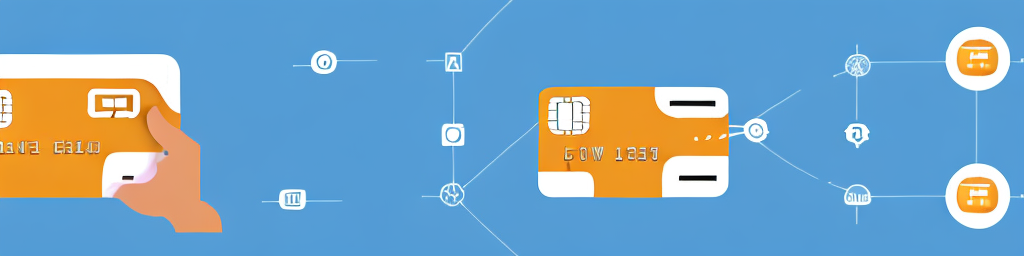
In today’s digital world, where online shopping has become the norm, understanding the payment gateway process is essential for any business owner or consumer. A payment gateway serves as the vital link between the customer, the merchant, and the financial institution that processes the payment. Whether you are selling products or services online, it is crucial to have a clear understanding of what a payment gateway is and how it works.
Defining Payment Gateway
A payment gateway is essentially a software service that authorizes and facilitates the secure transfer of funds between a customer and a merchant. It encrypts sensitive financial information, such as credit card details, during the transaction process to ensure the safety and confidentiality of the data. The primary purpose of a payment gateway is to enable seamless and secure online payments, making it a fundamental component of e-commerce.
When a customer initiates an online payment, the payment gateway acts as a bridge between the customer’s chosen payment method and the merchant’s bank account. It securely transmits the payment information to the acquiring bank, which then verifies the transaction and transfers the funds to the merchant’s account. This process happens in a matter of seconds, ensuring a smooth and efficient payment experience for both parties involved.
The Role of a Payment Gateway in E-commerce
In the realm of e-commerce, a payment gateway plays a pivotal role in bridging the gap between the customer and the merchant. It enables customers to make payments with ease and convenience, while also providing merchants with a secure and reliable platform to process these transactions. Without a payment gateway, the entire process of online payments would be vulnerable to fraudulent activities, making it crucial for businesses to incorporate this technology.
One of the key benefits of using a payment gateway is the ability to accept multiple payment methods. Whether it’s credit cards, debit cards, digital wallets, or even cryptocurrencies, a payment gateway can handle a wide range of payment options. This flexibility allows businesses to cater to the preferences of their customers, ultimately enhancing the overall shopping experience.
Furthermore, a payment gateway provides real-time transaction monitoring and reporting. Merchants can access detailed information about each transaction, including the amount, date, time, and status. This data can be invaluable for businesses, as it enables them to track sales, identify trends, and make informed decisions to optimize their e-commerce operations.
Key Features of a Payment Gateway
A payment gateway offers several key features that make it an essential tool for merchants. Firstly, it provides multi-channel integration, allowing businesses to accept payments from various sources, such as websites, mobile apps, and even physical point-of-sale systems. This versatility ensures that customers can make payments using their preferred devices, regardless of whether they are shopping online or in-store.
Additionally, a payment gateway ensures compliance with the Payment Card Industry Data Security Standard (PCI DSS), ensuring that cardholder data is handled securely. This standard sets strict guidelines for the handling, storage, and transmission of cardholder information, reducing the risk of data breaches and fraud. By adhering to these standards, payment gateways provide peace of mind to both merchants and customers, fostering trust and confidence in the e-commerce ecosystem.
Furthermore, a payment gateway offers features such as fraud prevention tools, recurring billing options, and customizable checkout experiences. Fraud prevention tools utilize advanced algorithms and machine learning to detect and prevent fraudulent transactions, protecting merchants from financial losses. Recurring billing options enable businesses to set up automated payments for subscription-based services, ensuring a seamless and hassle-free payment experience for customers. Lastly, customizable checkout experiences allow merchants to tailor the payment process to align with their brand identity and provide a cohesive user experience.
In conclusion, a payment gateway is a vital component of e-commerce, enabling secure and seamless online payments. Its role in bridging the gap between customers and merchants, along with its key features such as multi-channel integration, PCI DSS compliance, and fraud prevention tools, make it an indispensable tool for businesses looking to thrive in the digital marketplace.
How Does a Payment Gateway Work?
Understanding how a payment gateway works is crucial to grasp the intricacies of the payment process in e-commerce. When a customer initiates a transaction on a merchant’s website, the payment gateway securely captures and encrypts the customer’s payment details, such as credit card information or online banking credentials. The gateway then forwards this encrypted data to the payment processor or acquiring bank for validation. If the transaction is approved, the payment processor sends a confirmation to the gateway, which then informs the merchant that the payment was successful.
The Transaction Process
The transaction process involves several steps that must occur seamlessly for successful completion. Firstly, the customer selects the desired products or services on the merchant’s website and proceeds to the checkout page. Here, the customer provides the necessary payment information, such as their credit card details. The payment gateway encrypts this data to ensure its security during transmission.
Once the encrypted payment information reaches the payment processor or acquiring bank, it undergoes a series of validations, including address verification and card authentication. The acquiring bank then communicates with the customer’s issuing bank to authorize the transaction. If the transaction is approved, the issuing bank sends an authorization code to the acquiring bank, indicating that the funds are available.
Once the payment gateway receives the authorization code, it relays this information to the merchant’s website, confirming that the transaction was successful. At the same time, the customer is notified about the completion of the payment, and the merchant can proceed with the necessary order fulfillment or service delivery.
Security Measures in Payment Gateways
Security is a priority when it comes to online payments, and payment gateways are designed to provide robust protection against potential threats. To ensure the safety of customer data, payment gateways use encryption protocols, such as Transport Layer Security (TLS), to encrypt transaction information during transmission. This encryption renders the sensitive data unreadable to unauthorized individuals, reducing the risk of data breaches.
Moreover, payment gateways often implement additional security measures, such as tokenization. This process replaces sensitive card data with unique identification tokens, further enhancing security by preventing direct access to the customer’s payment information. Tokenization helps limit the scope of PCI DSS compliance for merchants while maintaining the integrity of the transaction process.
In addition to encryption and tokenization, payment gateways may employ fraud detection and prevention mechanisms. These systems analyze various parameters, such as transaction patterns, IP addresses, and device information, to identify potential fraudulent activities. By flagging suspicious transactions, payment gateways help protect both merchants and customers from financial losses.
Furthermore, payment gateways often offer additional security features, such as two-factor authentication (2FA) and address verification services (AVS). 2FA adds an extra layer of security by requiring customers to provide a second form of authentication, such as a one-time password sent to their mobile device, before completing a transaction. AVS verifies the billing address provided by the customer against the address on file with the issuing bank, reducing the risk of unauthorized use of stolen credit card information.
Payment gateways also prioritize compliance with industry standards and regulations. For example, they adhere to the Payment Card Industry Data Security Standard (PCI DSS), which sets guidelines for the secure handling of cardholder data. By complying with these standards, payment gateways ensure that merchants can confidently process payments without compromising the security of customer information.
In conclusion, payment gateways play a vital role in facilitating secure and efficient online transactions. By encrypting sensitive data, implementing tokenization, and employing various security measures, payment gateways provide a safe environment for customers to make payments and merchants to receive funds. With the continuous advancement of technology, payment gateways will continue to evolve to meet the ever-growing demands of the e-commerce industry while maintaining the highest levels of security.